.png)


Regen Hub at DevConnect Buenos Aires 2025
A week where global technology and territorial regeneration met for the first time in Argentina
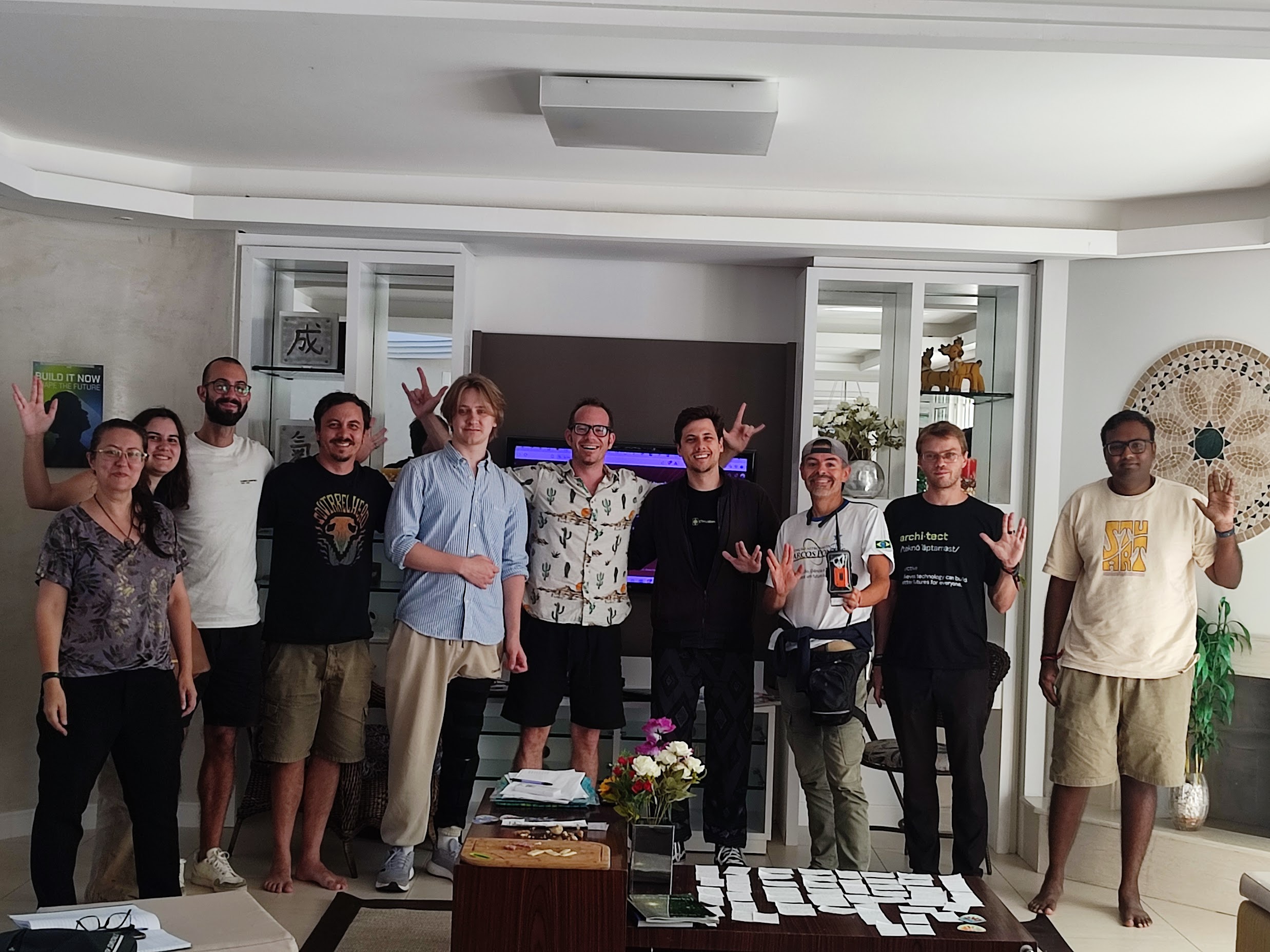
The Regen Hub was the third activation of the Regen Pathway 2025 and represented an opportunity to connect, within a single space, the global Ethereum ecosystem with territorial actors and impact-driven organizations from Argentina and Latin America.
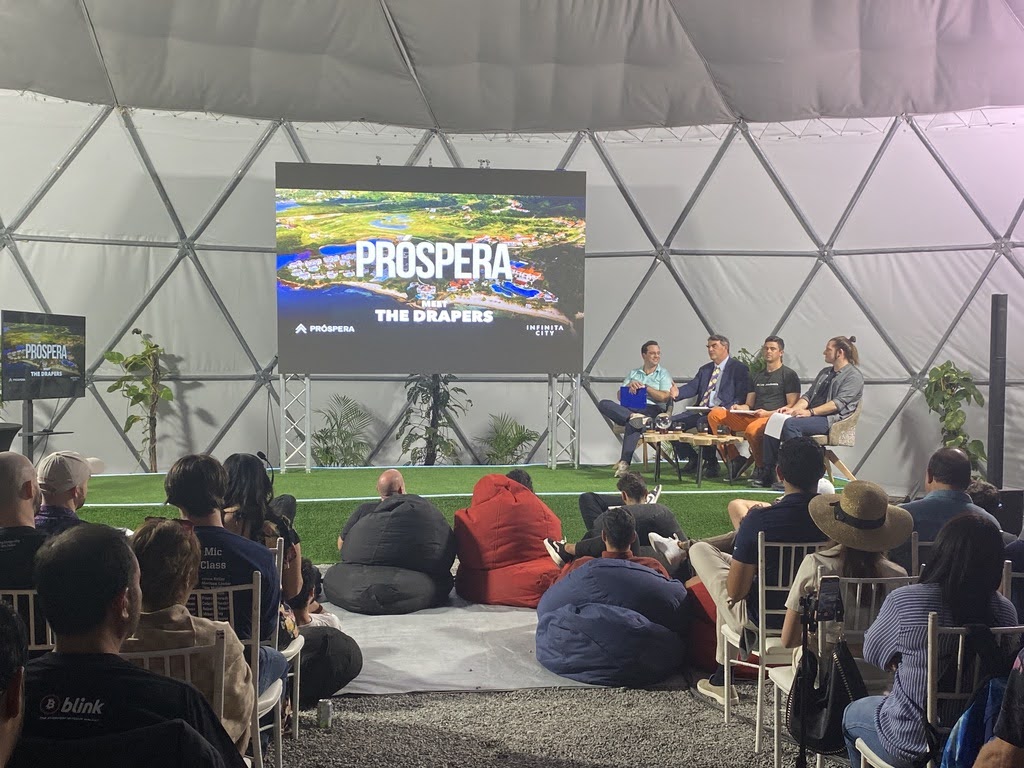
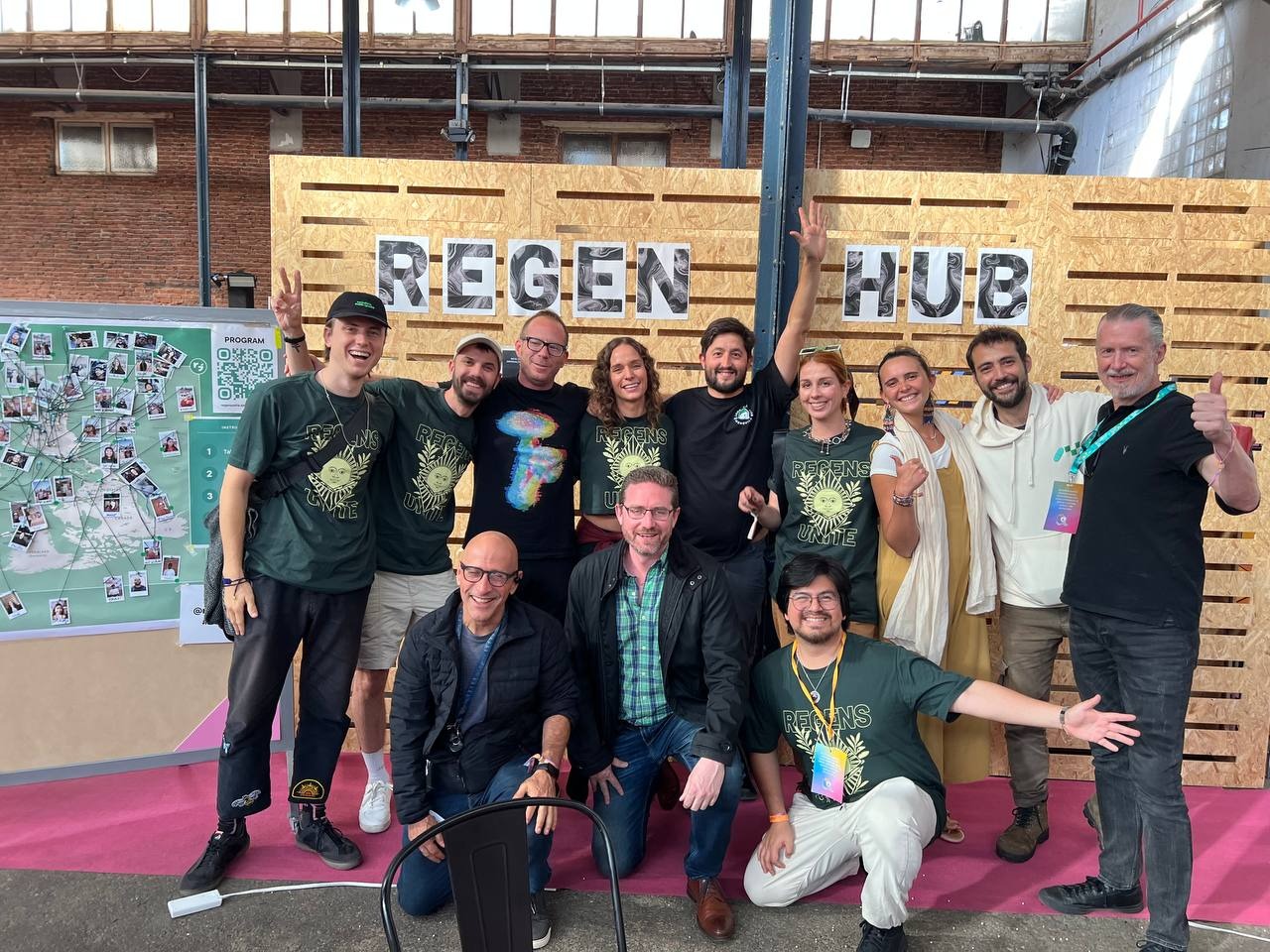
At Devconnect Buenos Aires, which brought together more than 15,000 people across over 30 venues, we co-created the Regen Hub together with Regens Unite, a meeting point where the global ecosystem not only landed in Argentina, but began to blend with the territory, its culture, its people, and its real challenges.
Our role was to facilitate a cosmo-local bridge, allowing technology and territorial initiatives to meet, understand each other, and begin working together.
Alongside global allies such as AgroforestDAO, Greenpill, ReFi DAO, Ethereum Localism, Celatam, and “regens” from around the world, we sustained this space with a shared purpose: to prototype bridges between Ethereum’s digital infrastructure and community-led initiatives already regenerating ecosystems and local economies across Argentina and Latin America.
Regen Hub Logbook at Devconnect Buenos Aires
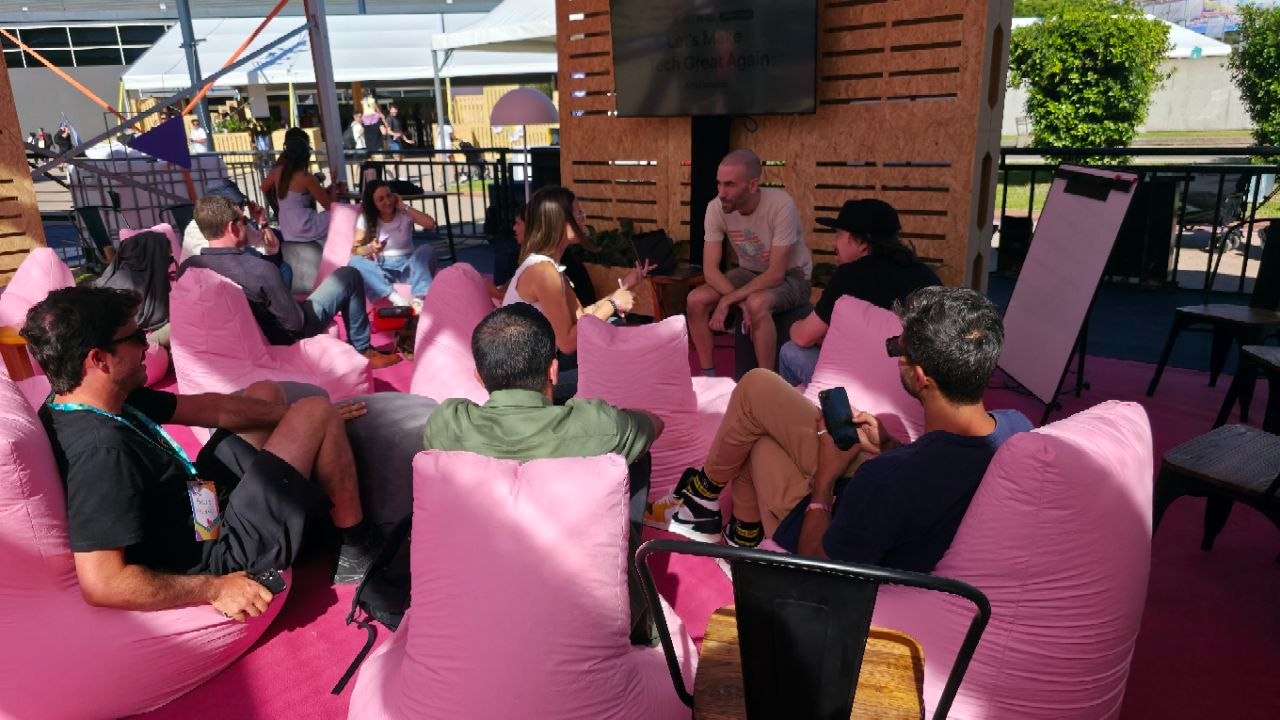
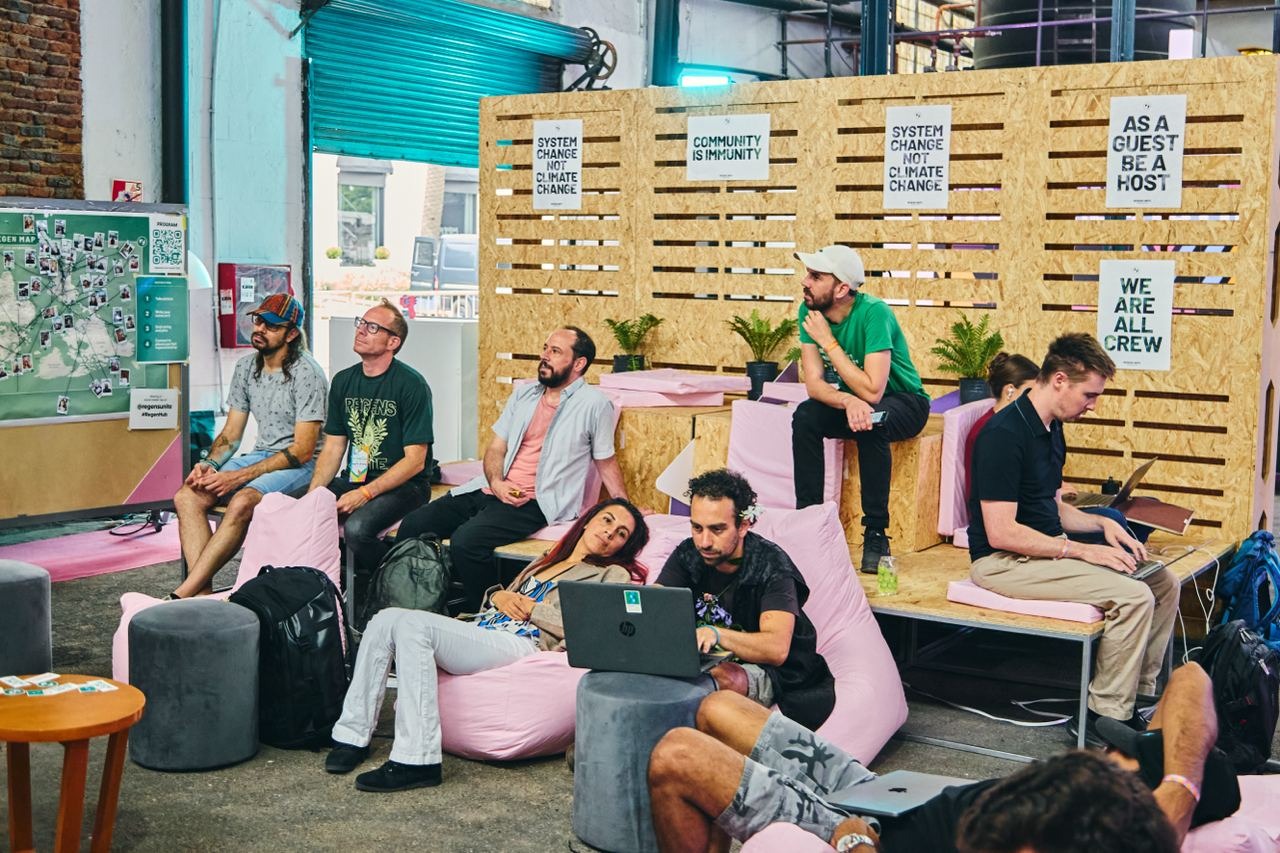
Over seven consecutive days, more than 300 participants passed through the Regen Hub. The Hub consolidated itself as a strategic meeting point between ReFi, Web3, DeSci, decentralized governance, and local regenerative projects, some even called it “home.”
Through a diverse and carefully curated program, the week enabled the translation of Ethereum ecosystem tools into concrete territorial challenges, generating real articulation between global and local actors.
First Day
The opening began with a Regen Coffee, bringing together participants from over ten countries and setting the collaborative tone of the Hub.
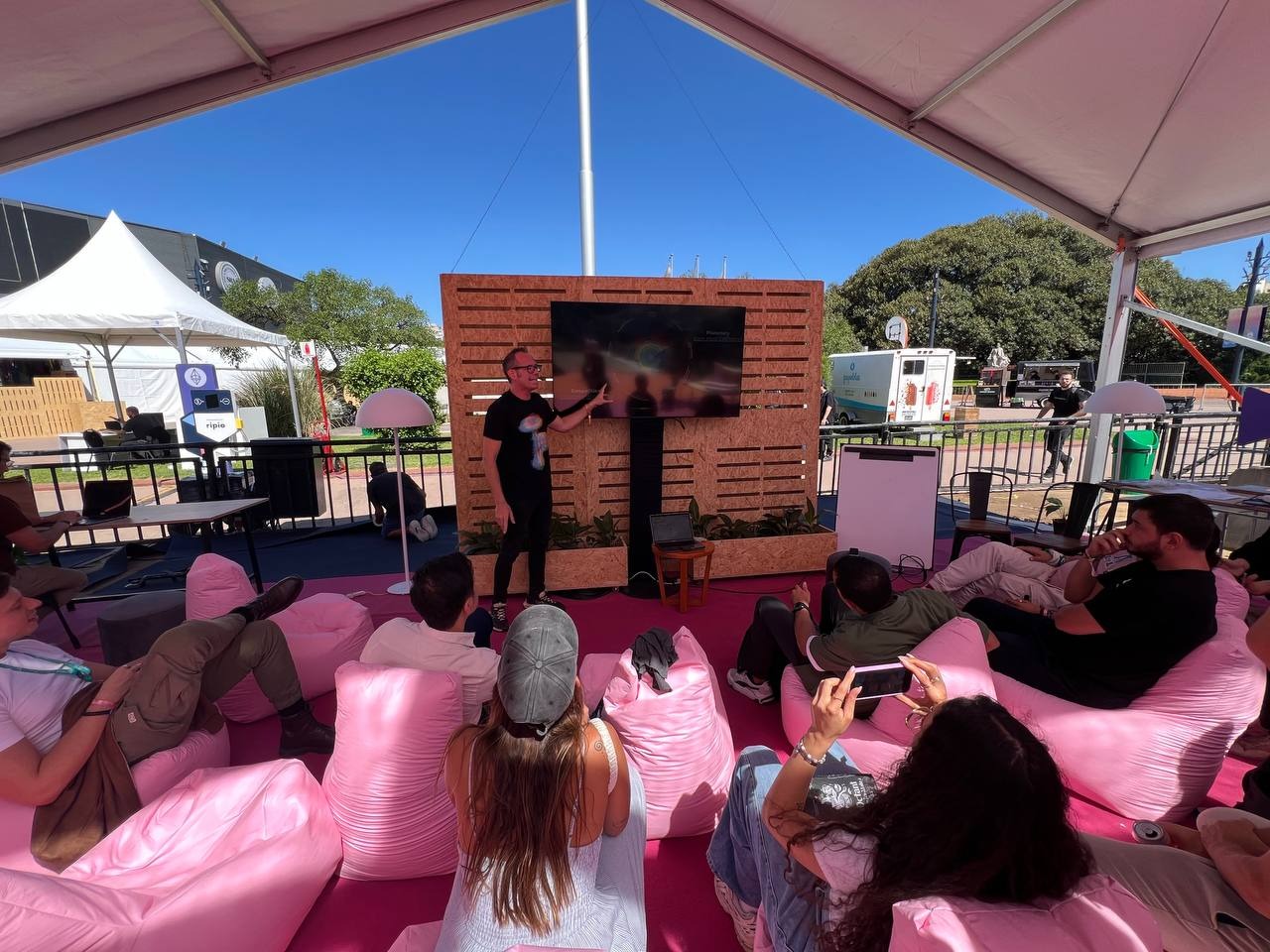
In the formal opening, facilitated by Regens Unite, Greenpill Network, and NetX State, the guiding principles of the space were presented. The first talks set the strategic character of the Hub:
- Franz Tuñez (NetX State) presented “Is Argentina a Planetary Refuge?”, exploring the country’s geostrategic potential.
- Douglas (Ethereum Brazil) introduced “Brazil Onchain Overdrive”, showcasing grassroots ecosystem growth.
- Kris DeCoodt (Commons Hub Brussels, Open Collective) shared “Let’s Make Technology Cool Again.”
- Felipe Soares (Rizoma Co-Lab) facilitated a workshop on collaborative models for transition.
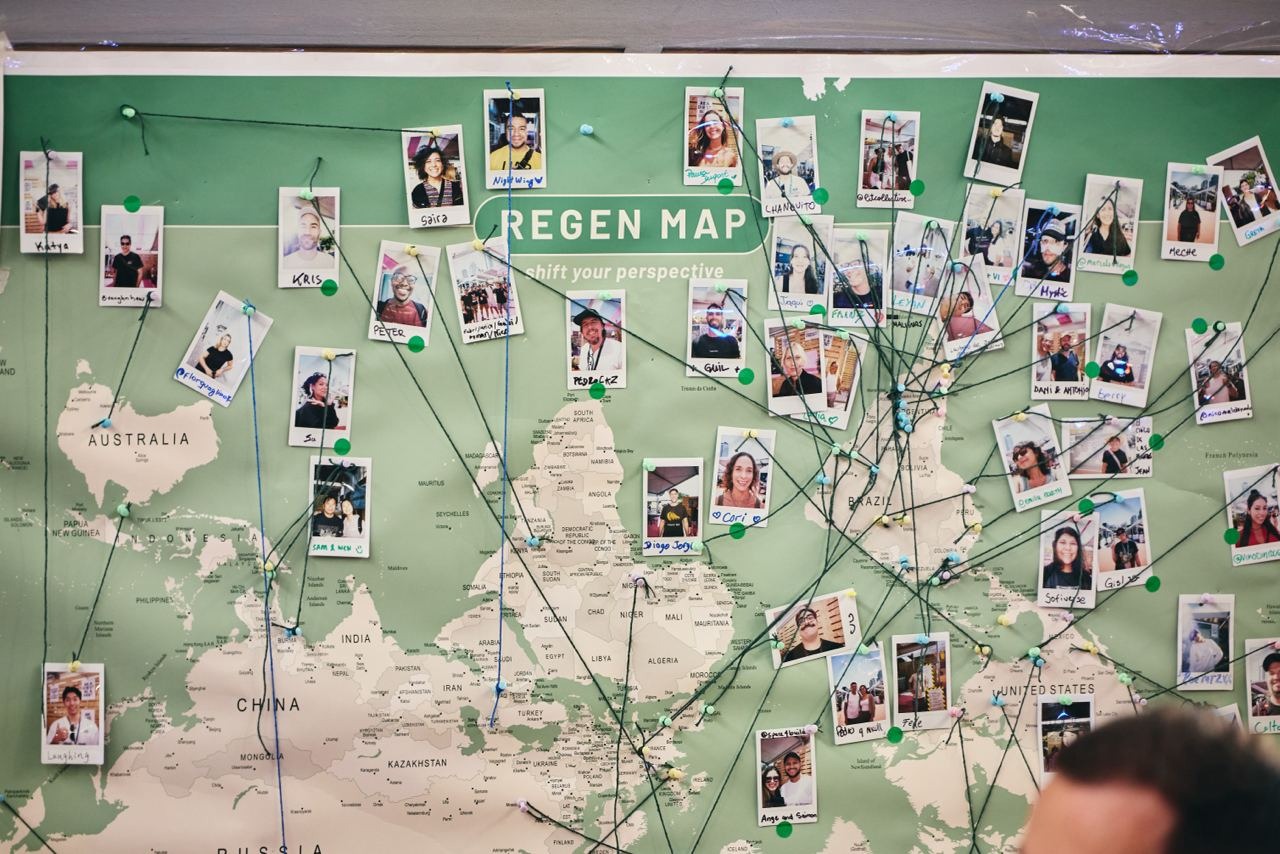
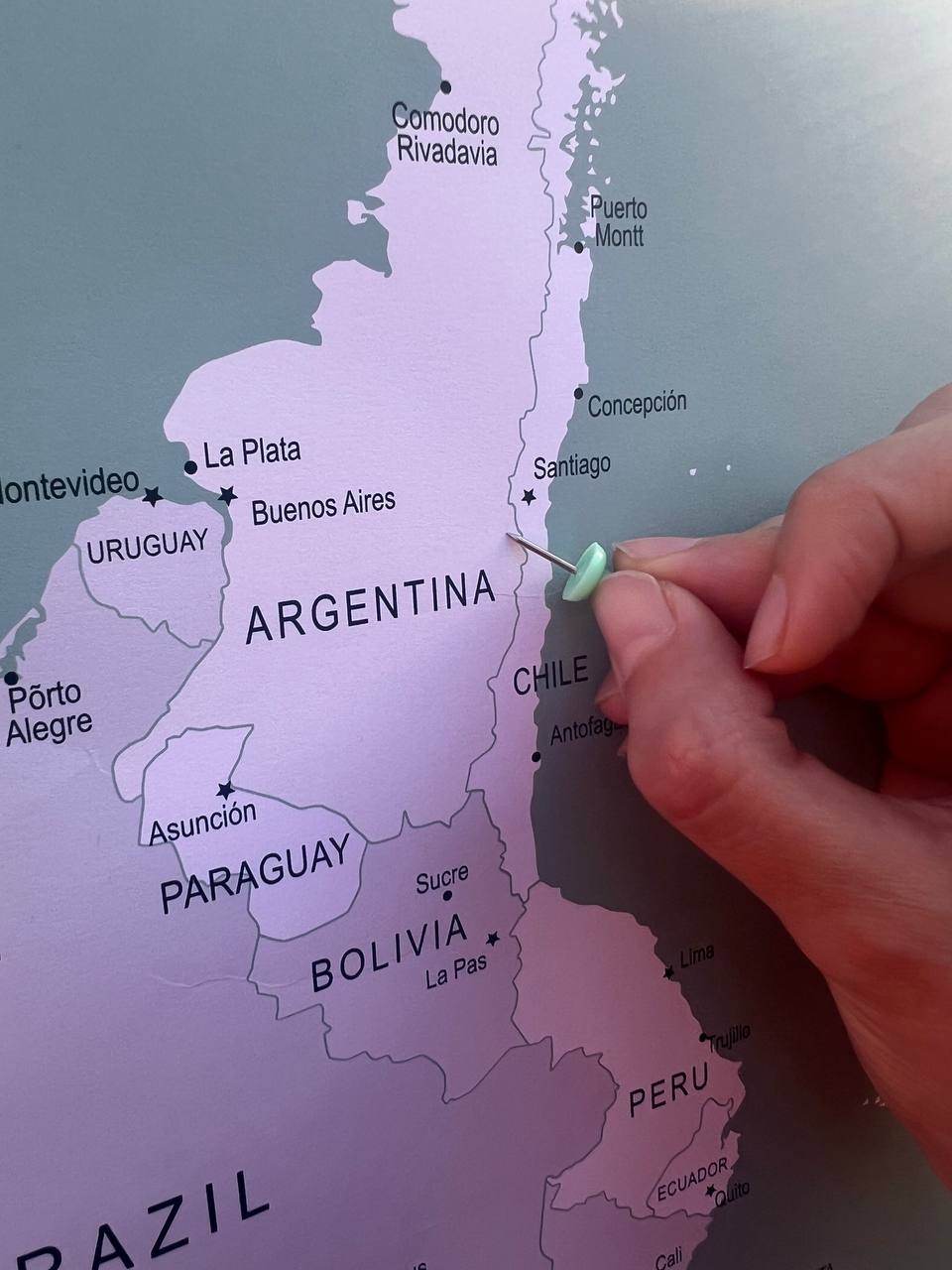
Participatory activities such as the collaborative map and letters of intent complemented the talks, where integration was as important as technology. From day one, the cosmo-local nature of the Hub was established: think globally, act with the territory, listen to those already doing the work.
Second Day
This day explored the heart of the regenerative movement: coordination. It dove into regenerative governance mechanisms, beginning with presentations focused on new economies and collaborative structures:
- David Gabriel Schneider (Mayma) spoke about regenerative aquaculture and technology-enabled scalability.
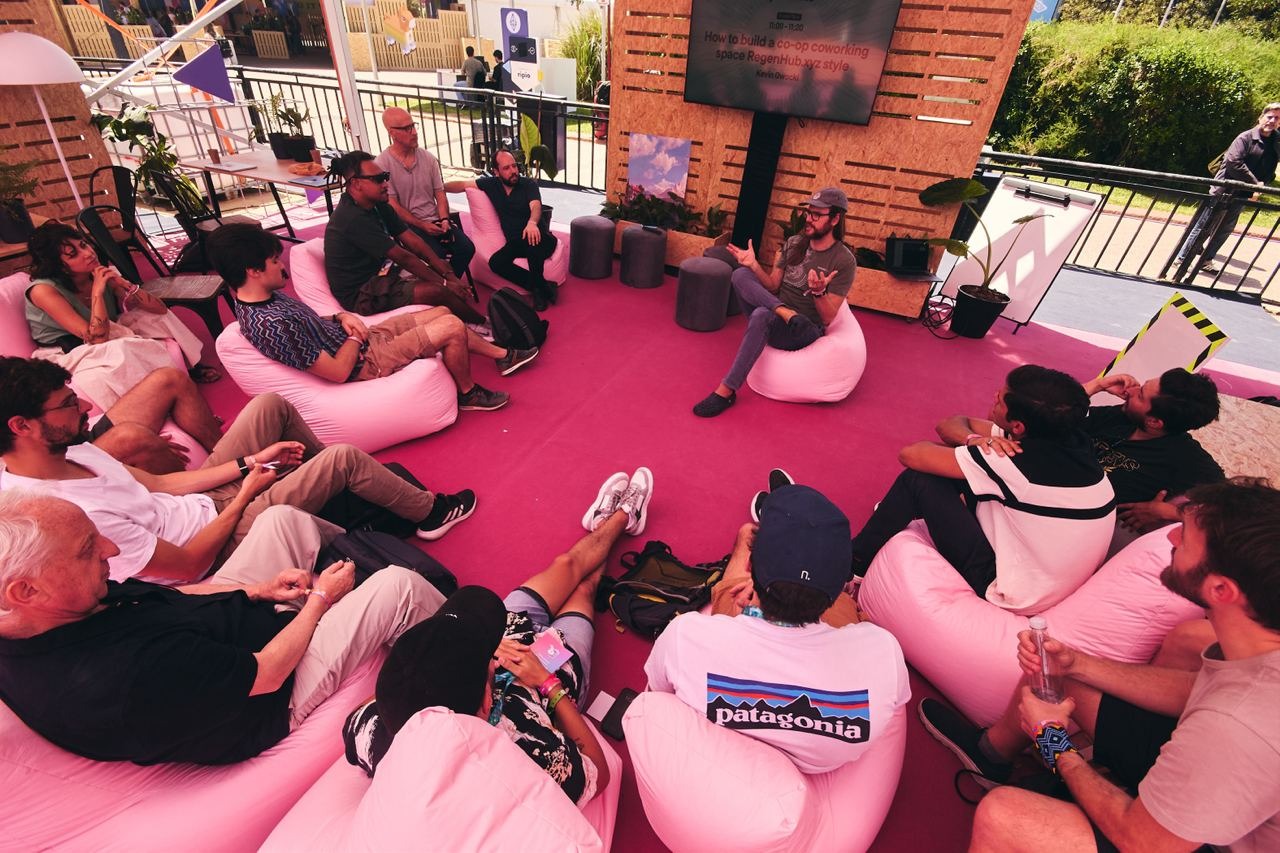
- Kevin Owocki (regenhub.xyz) presented methods for building cooperative coworking spaces.
- Kris DeCoodt facilitated a session on creating community hubs across territories.
In the afternoon, the conversation shifted to commons financing and on-chain governance models, featuring:
- Hadar Rottenberg (Funding the Commons) on emerging funding models.
- Natalia Margiotta (ReHuman) on coordination beyond money.
The day closed with two sessions facilitated by Cauê Tomaz, Paul Glavin, and AgroforestDAO, introducing and applying conviction voting and commitment pooling.
The Conviction Voting workshop was one of the most powerful moments: designers, activists, developers, and entrepreneurs entered as strangers and left understanding governance as a living tool for collective decision-making. The day demonstrated how Web3 mechanisms can operate as social infrastructure when embedded in real processes.
Third Day
We explored culture, inclusion, circularity, decentralized education, and the role of aesthetics, narratives, and play in sustaining Web3 communities that truly care. The day was deeply marked by a territorial and community focus.
Early sessions addressed the cultural and educational layers of the ecosystem:
- Boluwatife Ogunsina explained the importance of narrative in Web3 communities.
- Travis Rice presented how Nouns culture drives collective impact.
- Luisa Fosco shared the Recicla Visão case from Brazil.
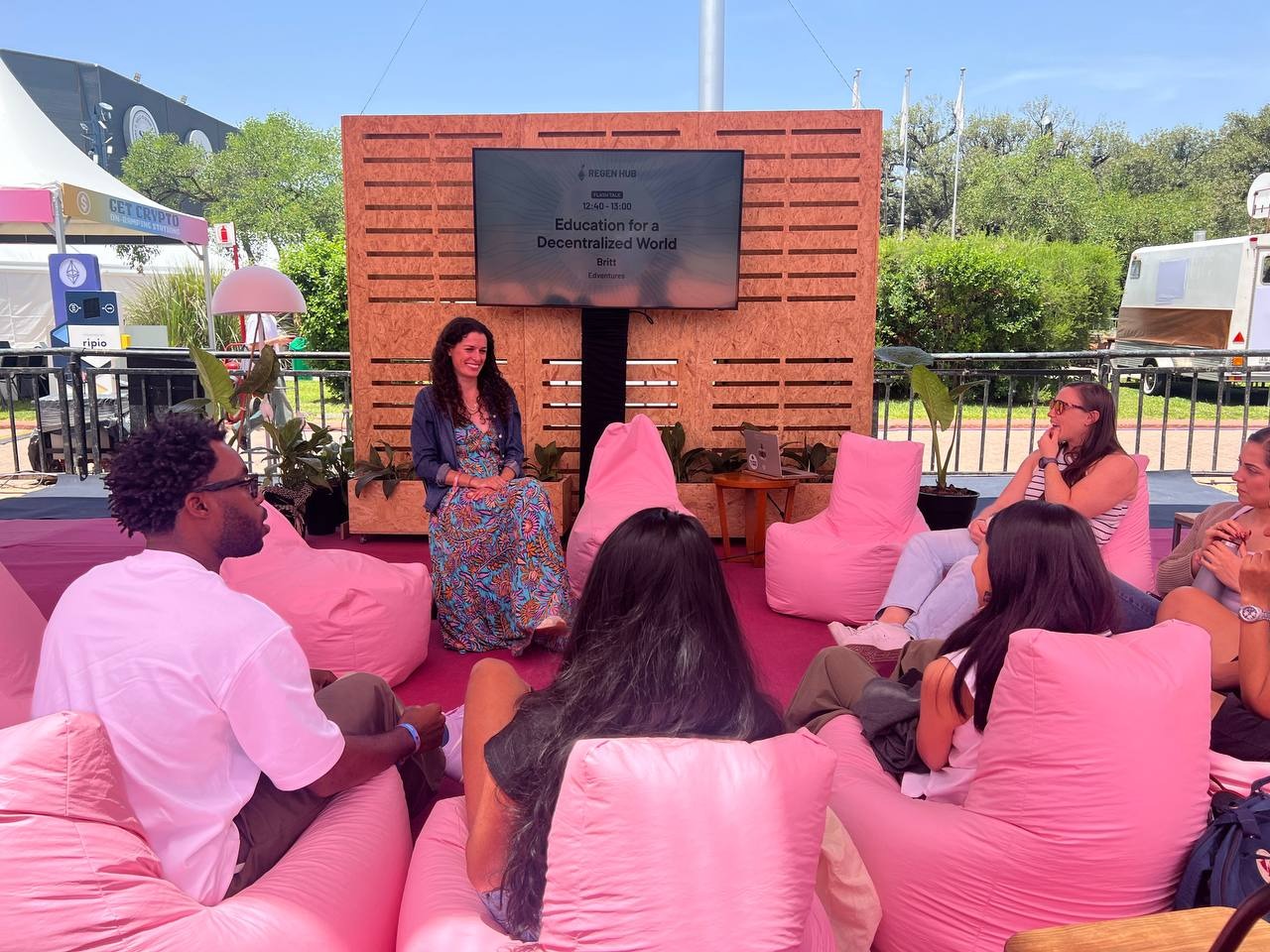
- Britt (Edventures) proposed decentralized education models.
Technical and social sessions followed with Rubén Altman (Climatech Argentina), the Logosophical Foundation, and specialists in regenerative landscaping and water design.
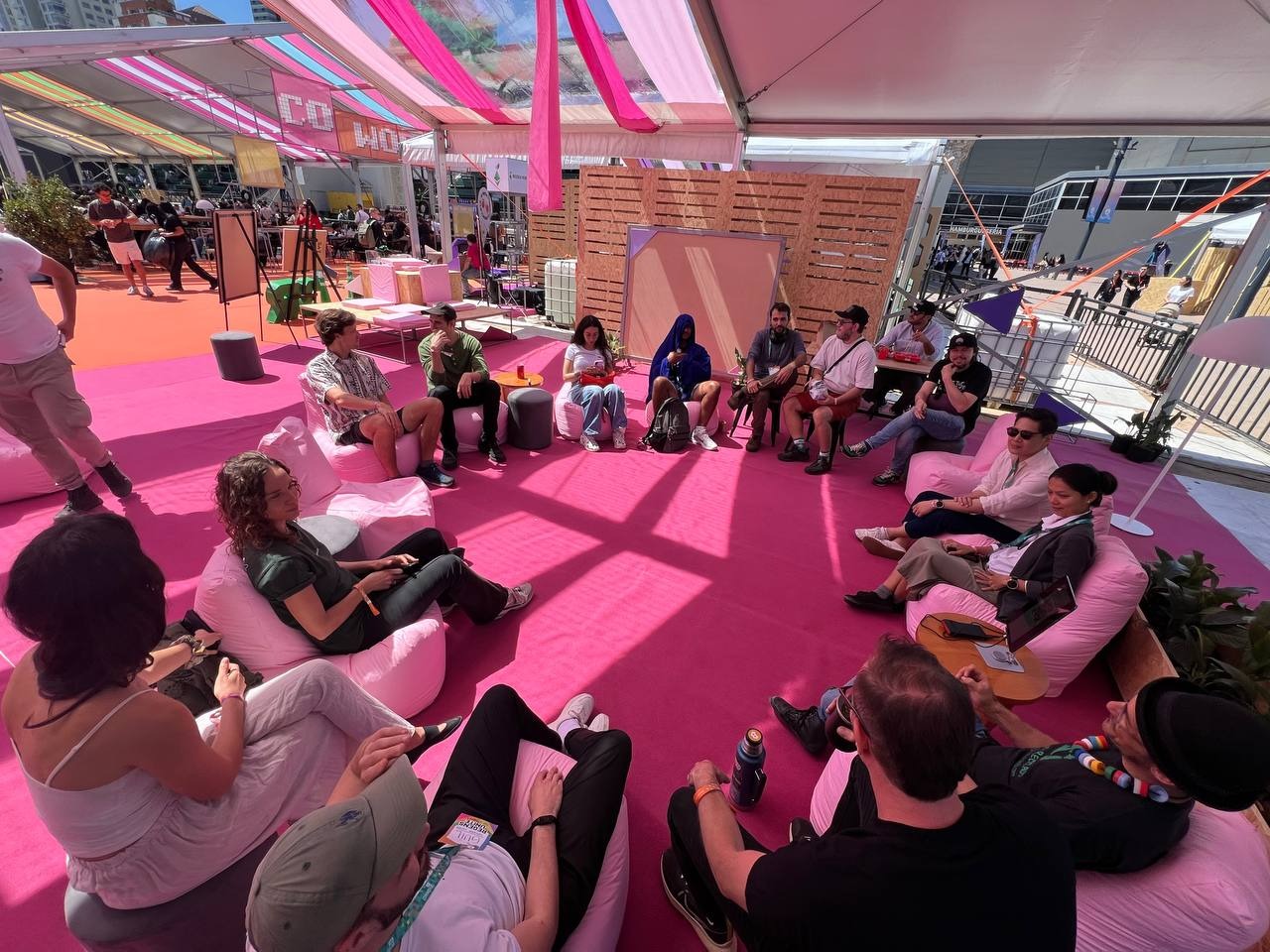
In the afternoon, one of the most meaningful moments of the Hub took place: the INTERHUERTAS Community Circle, with participation from community gardens Luna de Enfrente, La Unión, La Margarita, and Vecinos en Flor. Regeneration ceased to be a concept and became tangible: food, territory, neighborhood organization, stories of resistance and everyday collaboration.
Fourth Day
The fourth day began with rain in Buenos Aires ,and it was perfect. Many people chose to stay at the Hub, which became more intimate, warmer, more like home.
The theme was bioregional commons coordination, with sessions including:
- Paul Murphy, inspired by Elinor Ostrom, on community regulatory frameworks.
- Joshua Bate (Bonfires.ai) on AI agents applied to collective intelligence.
- Dante Arola (Oxygentoken) on transparency and traceability in carbon markets.
- CleanApp.io presenting “Trash is Cash.”
In the afternoon, key Latin American cases were shared:
- Max Fechen (Fork Forest) on ecological restoration in Argentina.
- Karla Córdoba (CofiBlocks) on real-world assets on-chain.
- Antonio Paglino (Karma) facilitating on-chain reputation systems.
- Greenpill Brazil presenting the RegenRio case.
The day closed with an open space on cosmo-local protocols, leaving one idea clear: the tools already exist what’s missing is continuing to create spaces where they can meet communities.
Fifth Day
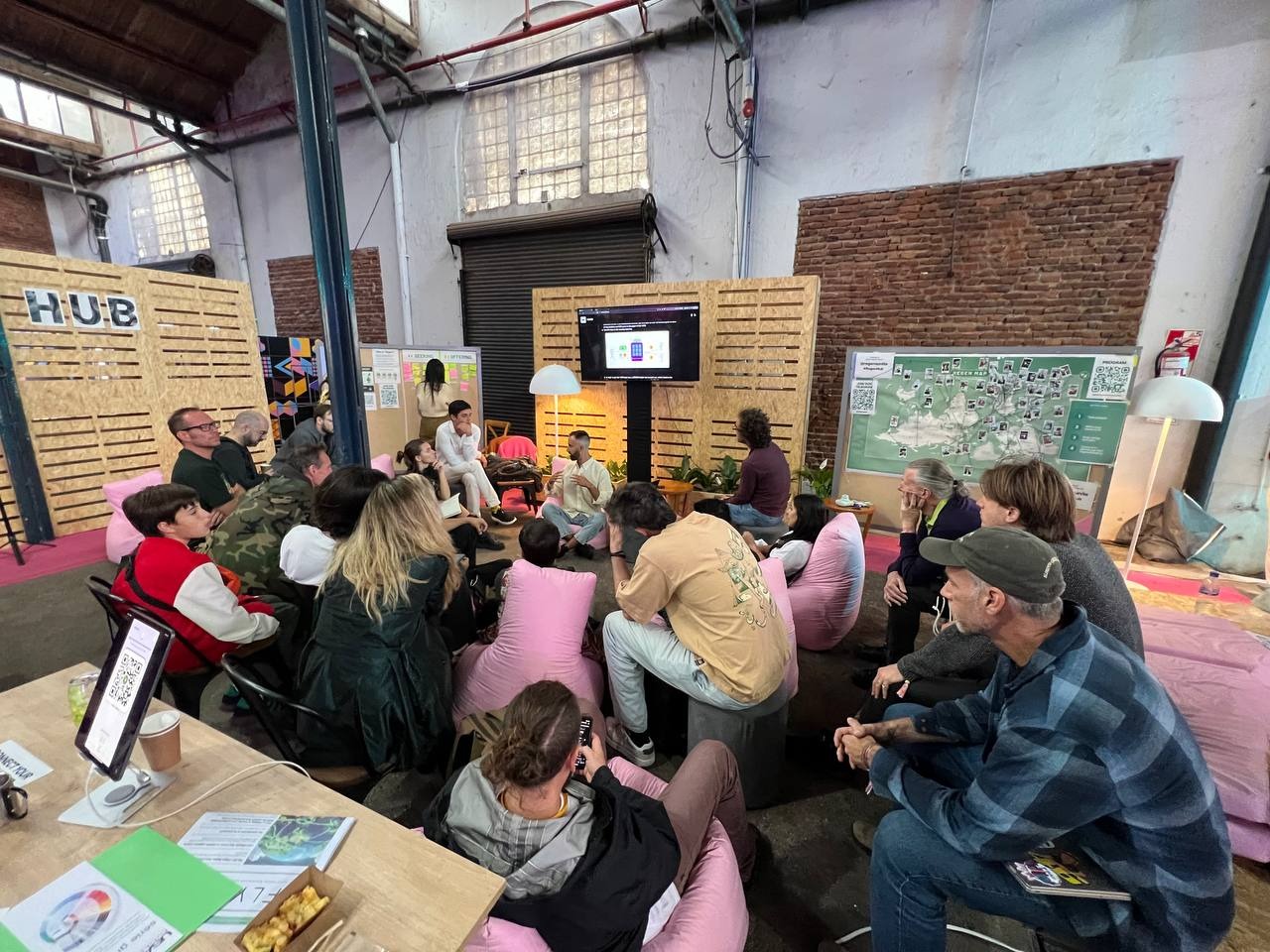
This day focused on regenerative finance: new theories of value, regenerative cryptoeconomics, incentive systems, community currencies, and climate finance applied to real problems.
The day began with a workshop led by Ale Sewrjugin (PhiEconomy) on new value theories and regenerative cryptoeconomics. This was followed by:
- Kit Blake (Greenpill DevGuild) presenting hyperlocal hubs.
- Flávia Macedo (Muda Outras Economias & SintropiaDAO) with a persuasive design module.
- Graham Olusiekwin sharing the Tana Token case from Kenya.
In the afternoon, Monty Merli, Mila Rioja, Joshua D’Avila, and Cauê Tomaz explored post-network state governance models.
The day closed with a hands-on community tokenization workshop, leaving several participants working on prototypes that would continue beyond the event.
Sixth Day
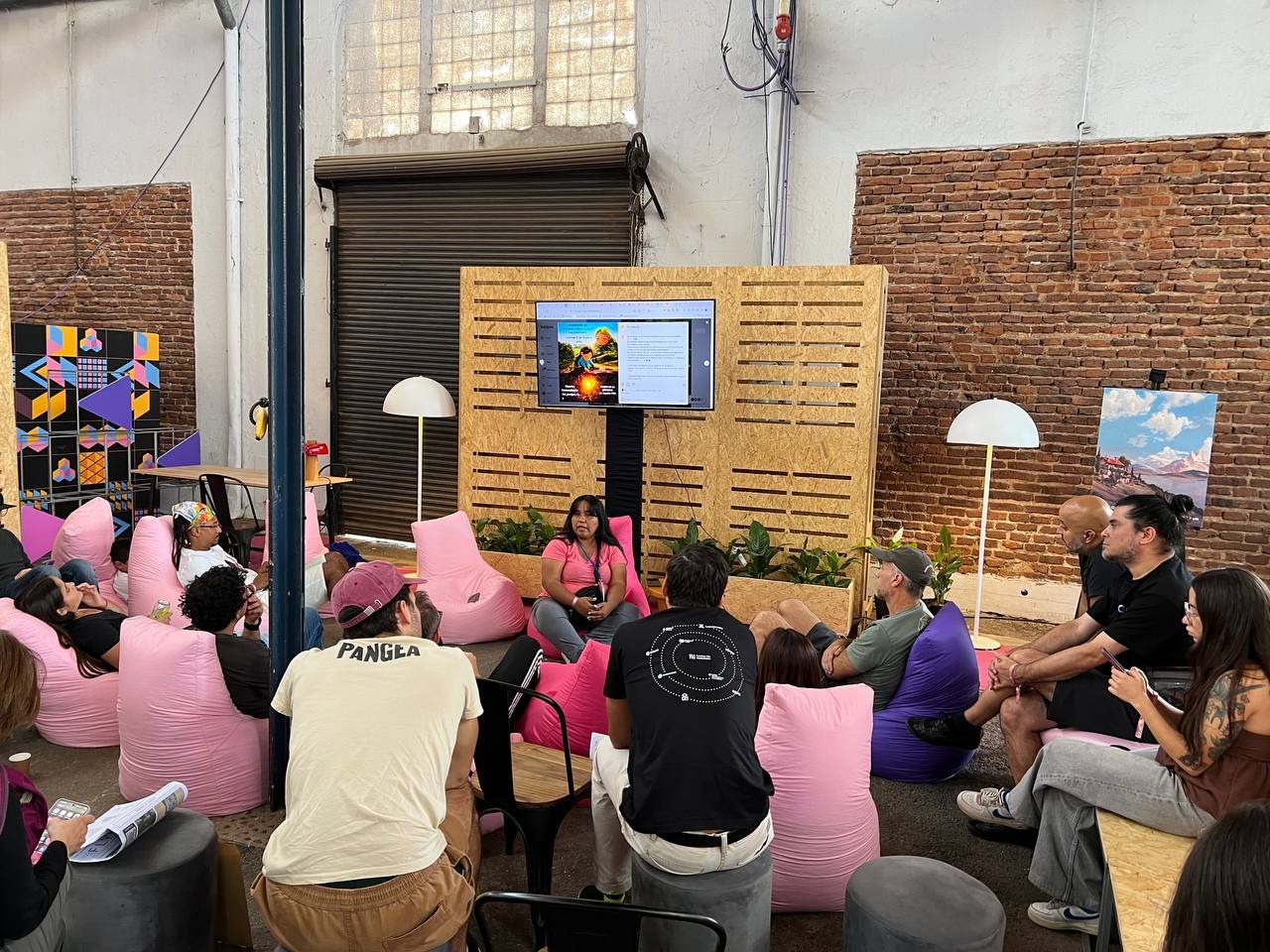
The sixth day brought something essential: collective imagination. After an intense week, Saturday opened space to imagine desirable futures and connect technology with territory from a different sensitivity, centered on radical imagination and futures thinking.
Highlights included:
- Sofía (Biotoken) presenting a regenerative MRV and carbon system.
- Juan José Núñez & Tomás Vicente on tokenizing natural assets.
- María Vilca (Huerta Las Yungas) sharing a firsthand experience of urban community organization.
The Vamos Juntas gathering, facilitated by Luisa Fosco, brought together women from the regenerative and Web3 ecosystems in a space of mutual support.
Later, Marcelo Silva, Karla Córdoba, Cauê Tomaz, and Greenpill Brazil presented coordination, research, and collective vision models.
The day ended with a closing circle facilitated by Regens Unite, Greenpill, and NetX State, integrating learnings and surfacing future lines of action.
Seventh Day
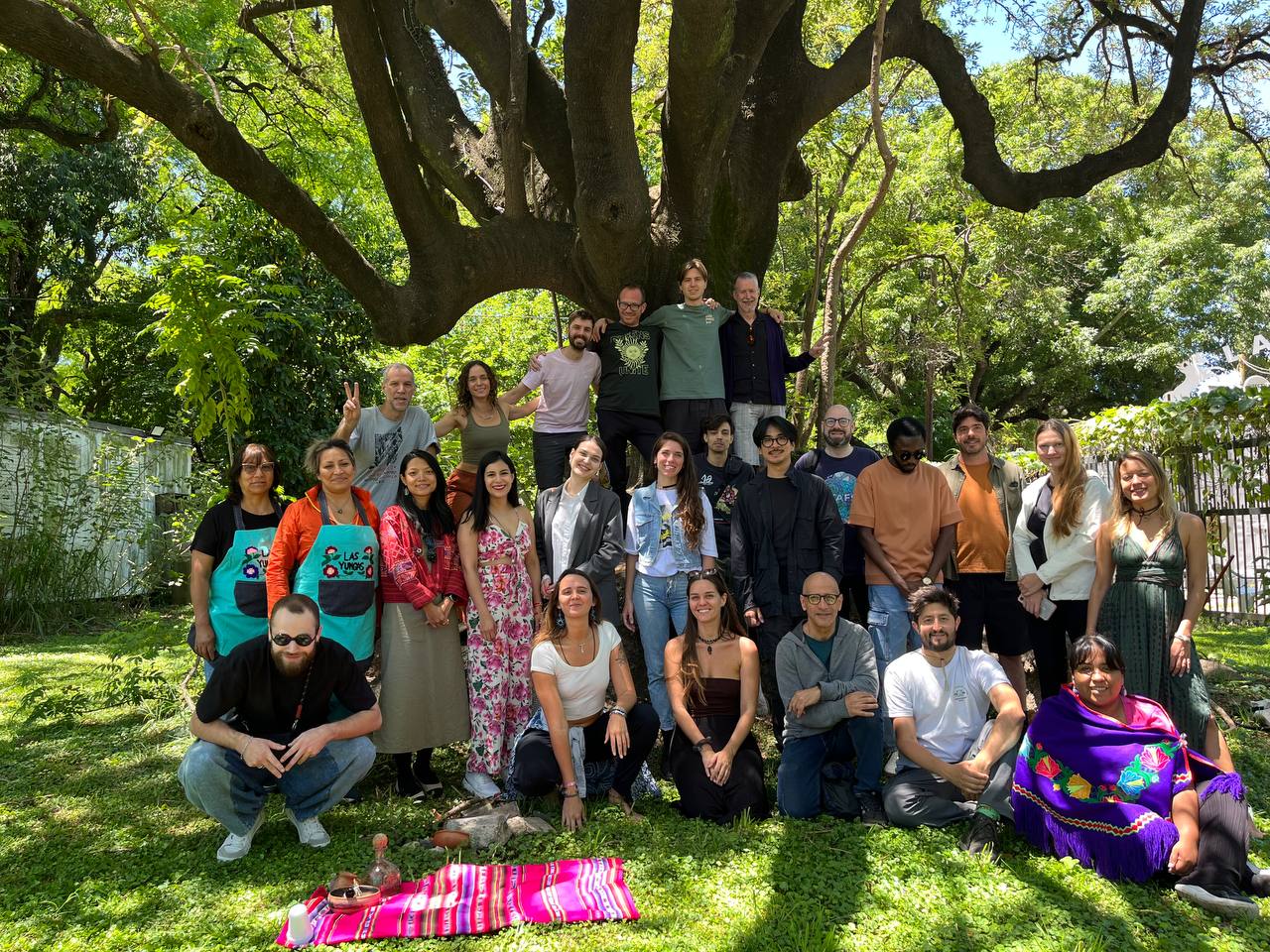
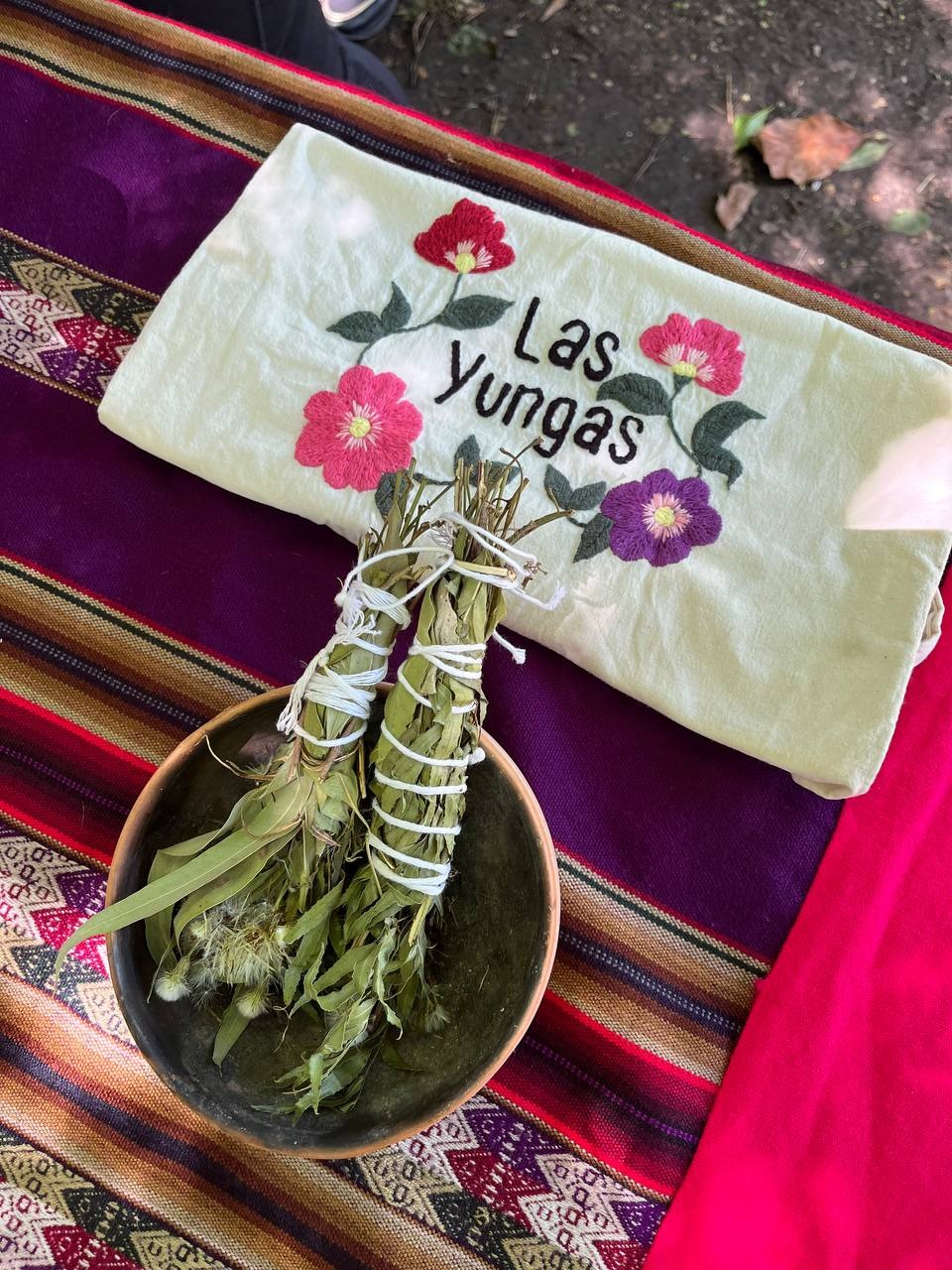
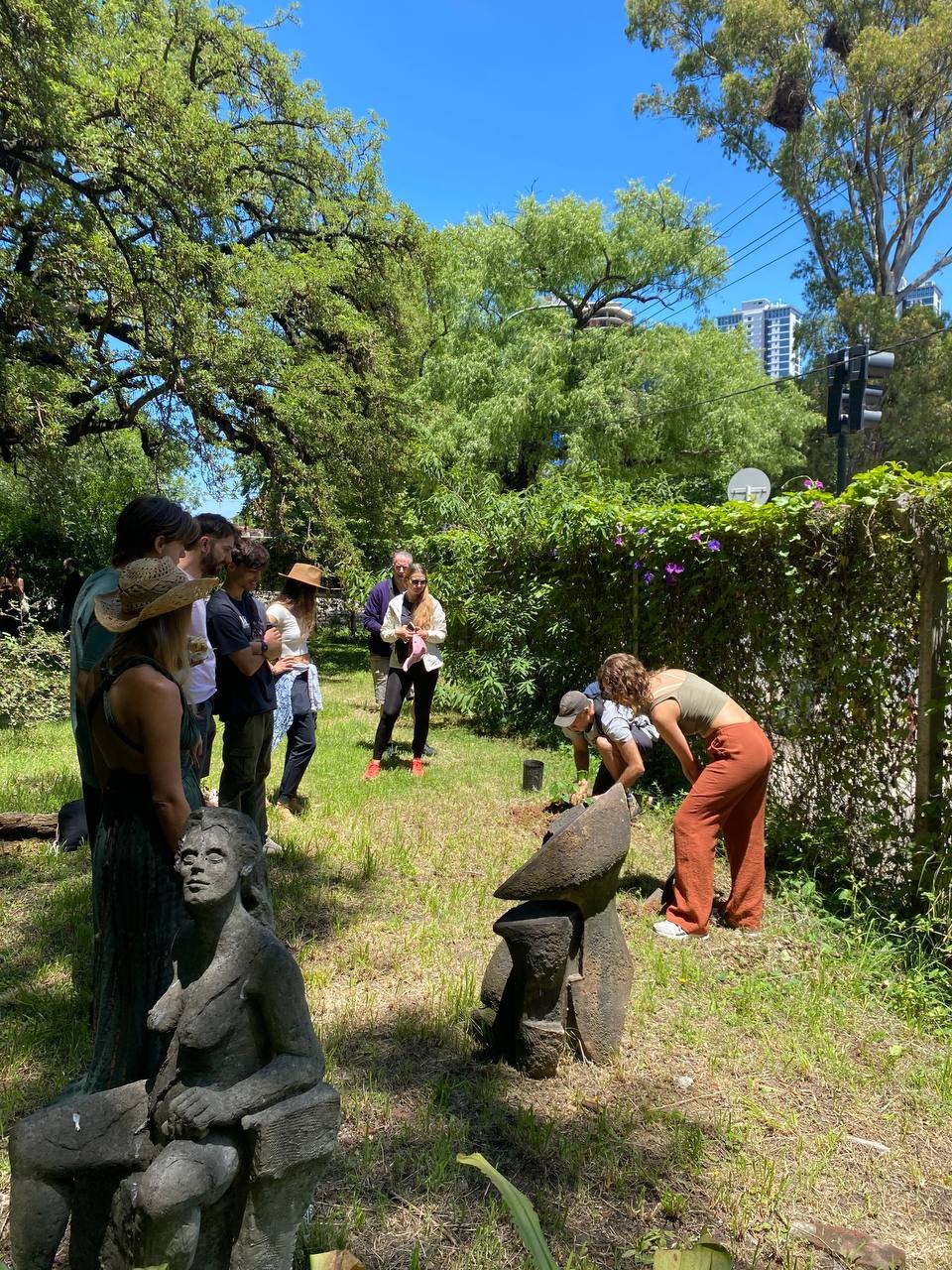
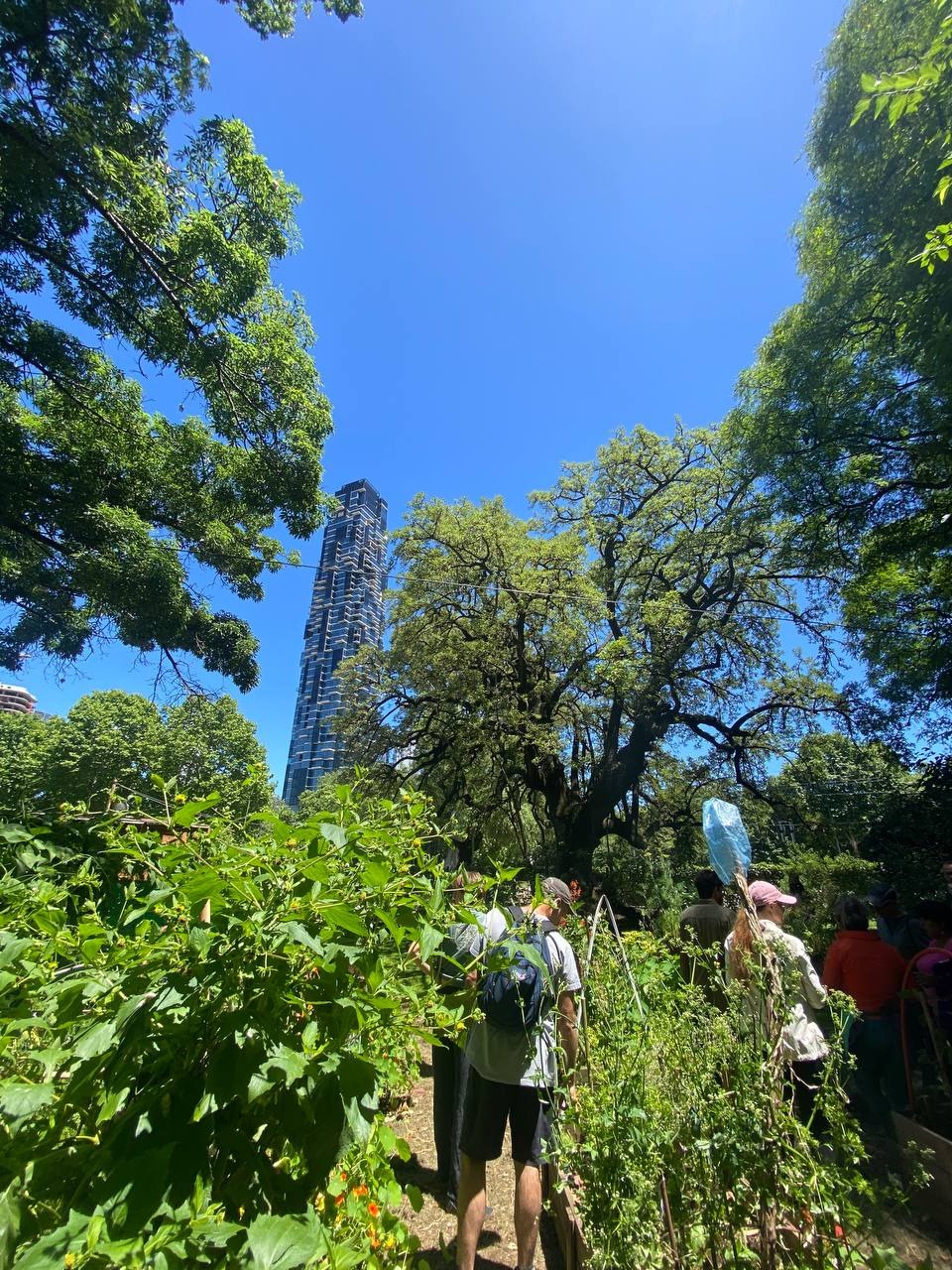
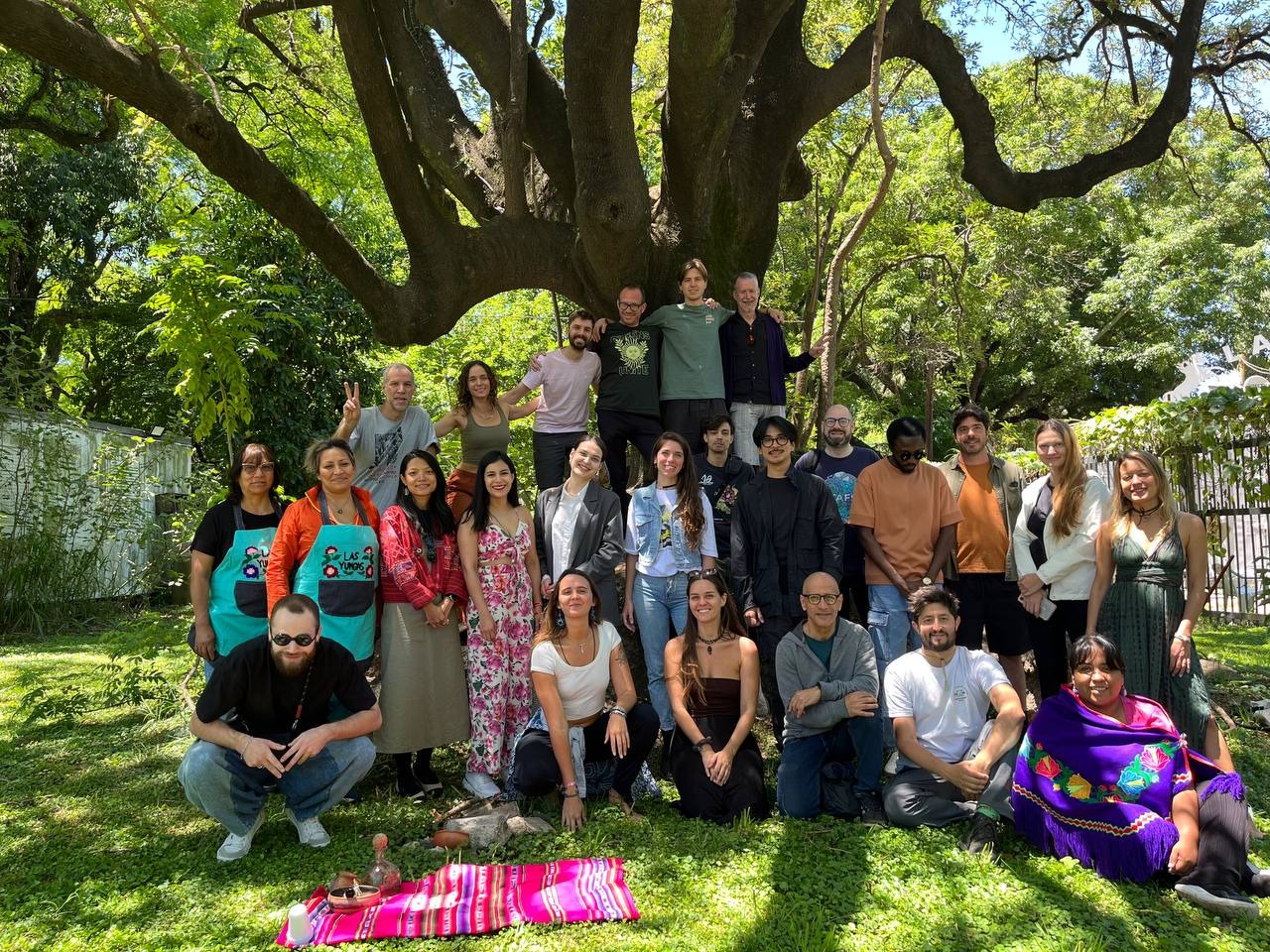
The final day took the Hub out of La Rural and to the edge of the Río de la Plata, where the women of Huerta Comunitaria Las Yungas guided us through a very special closing ceremony. They shared their story, led a community walk, and facilitated a ritual of gratitude to the land.
It was a closing deeply aligned with the Hub’s purpose: connecting decentralized technology with community initiatives already regenerating society, environment, and culture.
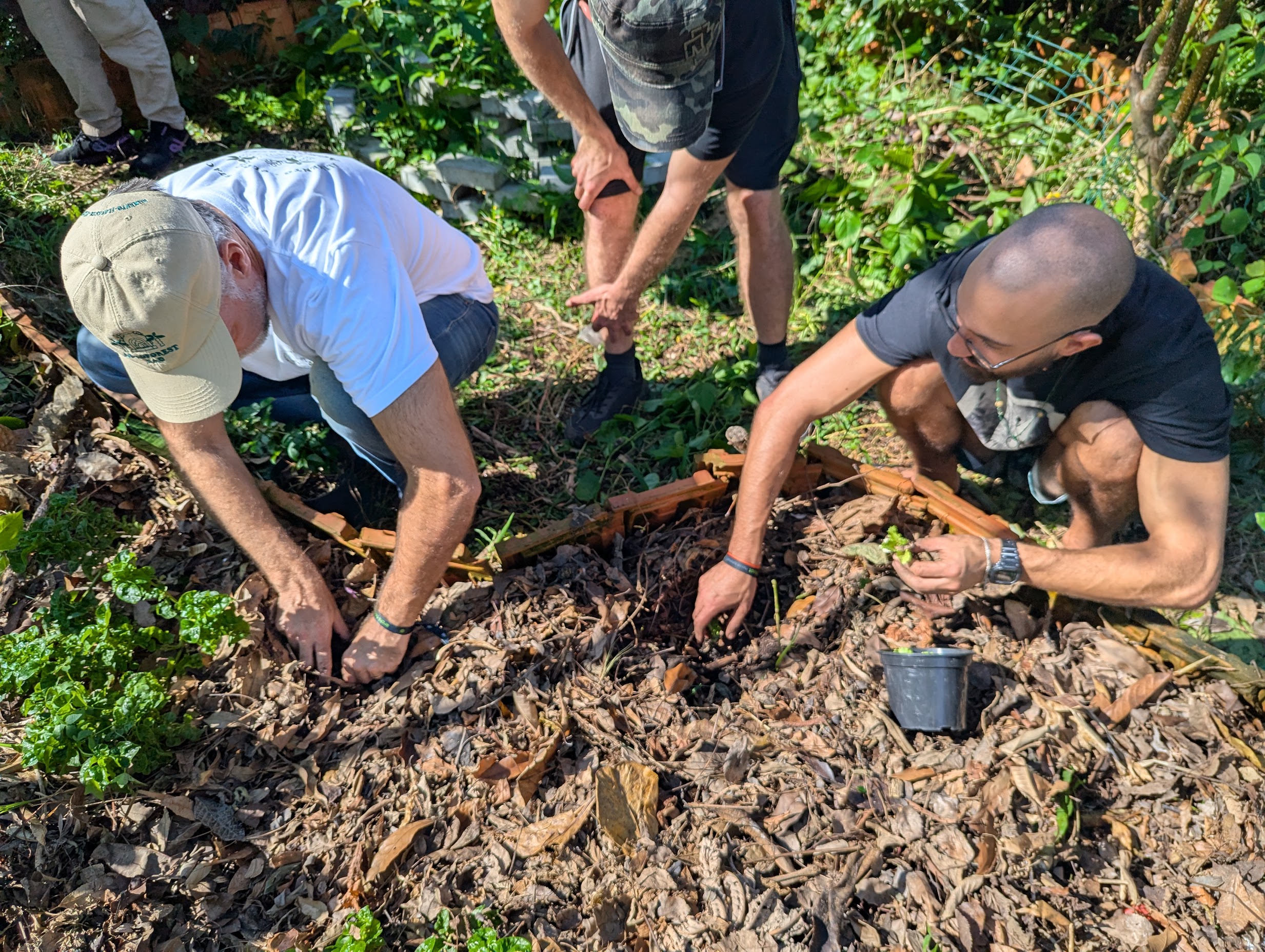
Together with those who joined us that day, we donated and planted the plants that had accompanied us throughout the week at the Regen Hub.
🌱 Key Stats · ReGen Hub @ Devconnect BA 2025
✨ 300+ people passed through the Hub during the week
✨ 40+ sessions including talks, workshops, and open spaces
✨ 60+ speakers and facilitators from different countries
✨ 20+ local and global organizations involved in regeneration, education, climate, and community
✨ 10+ cosmo-local collaborations prototyped between global projects and territorial challenges
What did Devconnect Buenos Aires leave us?
Devconnect confirmed that Argentina is a key territory for the global regenerative movement. And the Regen Hub demonstrated the power of the cosmo-local approach: global tools, intelligence, and networks applied in direct dialogue with territories, local actors, and real projects.
Beyond theory, relationships, learnings, and prototypes were co-created, many of which continue to develop after the event.
We ended this experience with new alliances, strong human relationships, and the certainty that the Regen Pathway is growing in the right direction: uniting global intelligence with local wisdom to build more living futures.
Testimonials from Organizations that Participated in the Regen Hub
Max & Penny | Forkforest
Devconnect Buenos Aires and the Regen Hub were deeply transformative. From a local, regenerative practice, encountering Web3 revealed a natural convergence with solarpunk values and decentralized technologies. The Regen Hub functioned as a true community home, where regeneration was lived through concrete practices, human relationships, and shared purpose.
Alejandro Altman | Tritucleta
The Regen Hub was far more than a conference: it was a real exchange between projects applying AI and blockchain in the physical world. Seeing how shared technologies enable sustainability solutions across territories confirmed that decentralization is already operating in practice and delivering tangible impact.
Felipe Soraires | Rizoma
The Regen Hub was a turning point. It revealed Web3’s potential to strengthen regenerative and territorial projects. The encounter with people, ideas, and tools opened new paths to scale socio-environmental impact and reinforced the desire to continue building collectively from regeneration.
What’s Next: Regen Pathway 2026
With everything we’ve learned, we are already designing Regen Pathway 2026. The next chapter involves expanding this collaboration network through new residencies, new hubs, new pop-up cities, and new regenerative nodes across Latin America.
Support our Regen Pathway 2026 through donations to enable scholarships and new activations. We’re looking for individuals and organizations who want to join this vision.
Your contribution helps demonstrate how collective intelligence and decentralized collaboration can drive tangible transformation on the ground.
Contact us:
netxstate@gmail.com

.jpg)